
Coming Home

In my conversation with friend and fellow writer Marilyse V. Figueroa, we really got into this question of timeless characters—the ones who won’t leave us. And why should they? HA!

Sometimes we stick with characters because they feel timely for the world, and sometimes we stick with characters because they are timely for us.

Either way, it’s helpful to imagine the concept of home for these folks.

What is our character coming home to?

What is our character coming home to?

We should always be posing the question: What does my character want? But sometimes it’s useful to pose something even more specific.

The question of home for our characters can be a crucial element to their transformation. What are the little homes that anchor them throughout their journey? And is there an eventual spot, perhaps at the bend in the river, where they want to hang their hat?

You can apply these prompts to a brand new character, a character from your WIP, or yourself!

Guided Writing Inspired by Ten of Cups

  1. Imagine the perfect house—YEP—either for you or a character you’re working on. What does that mean to you or them? What does the notion of a perfect home look like? How many windows and doors? Are there any windows and doors? Imagine this home using all the senses. Explore every little nook and cranny. Where does it live and what does it contain? What does it feel like to sit down inside this place? How does it sound? Write for seven minutes.

  2. Now, consider your life as it is in this present reality (or your character’s). What are the little homes that live in your (or their) world? What are the daily cottages at the bend in the river? What are you always coming home to—whether it's an idea, a person, a passion, or a place? Keep in mind that if you want to use these prompts for your WIP, you can pose these questions to a character, especially one you want to get to know a little better. Write for seven minutes.

  3. Imagine yourself—or your character—building the ultimate maypole, whatever that means. The point is to create something that celebrates a season of returning to warmth, or growth, or waking up. It’s a physical structure to celebrate having made it through a winter of some kind. How and where do you build this, and what do the pieces look like? Tell the page everything about this process, and who’s involved. And try and lead up to the moment when you sit back and observe it and really pause and drink it all in. Write for 12 minutes.

How did it go? Did you dig it? Subscribe to The Fool & the Page for more guided writing and cosmic conversation.

Challenging our Characters to Tell the Truth

In this recent Fool & the Page interview with author Carolyn Cohagan, we chatted about her new novel Ida and the Unfinished City, how Carolyn creates both thorny characters and spooky creatures, how she’s learned to come home to the power of telling her own story, and much, much more—plus, we pulled King of Swords as an ally and creative guide.

This card invites you to consider: What is my unique power as a storyteller? As a truth teller?

Oh, and how can I sink into that power, as opposed to questioning it? How can I write boldly and bravely?

Challenge a character who thinks they know everything and encourage them to tell the truth!

Challenge a character who thinks they know everything and encourage them to tell the truth!

It’s fun to rethink our way into story alongside an overly confident character. Even the strongest characters falter—and they have to! Otherwise, we wouldn’t be so interested in them.

Even the characters we know so well can struggle to see things clearly—a notion that inspired Carolyn and I to create the prompts below. Writing these characters’ journeys into truth can teach us a lot about the story as a whole, and maybe even something about ourselves as creatives, as storytellers, and truth tellers.

  1. Imagine a character—from your work-in-progress, or someone who wanders into your head right now—who is a know-it-all. Think self-assured, confident, unafraid.

  2. Tell us everything about how they look, dress, move. How do they smell? How do they speak? Give us the details. Write for eight minutes.

  3. Now present that character with something totally unexpected—it could be scary (a house everyone claims is haunted), or challenging (a confrontation with another character), or surprising (maybe something isn’t quite as they thought it was), and they have to DEAL. Write a scene in which they're forced to confront this unexpected happening and navigate that weirdness. How does their arrogance get in the way? Write for nine minutes. 

  4. How does that character find a way to tell the truth after this whole experience? How do they communicate to the world—and that includes themselves—that they've learned something? Or accepted something? Or learned to face themselves? Write a scene in which this character owns up to the truth, letting this character lead you down whatever winding path comes with it. Write for eight minutes.

  5. Take a deep breath. Sit up tall. Stretch your arms to the sky. Thank yourself for taking the time out to write and reflect!

How did it go? Did you dig it? Subscribe to The Fool & the Page for more guided writing and cosmic conversation.

Traveling in Darkness

In this recent episode of The Fool & the Page, I pulled The Moon in response to a listener request from fellow writer and fabric artist Casey Bernard. Thanks, Casey!

The Moon begs the question: How can you move through darkness with grace and ease? How can you stay there?

And in my experience, it’s also asking…How can you lean into your weird?

Sometimes a formless phase can be freeing!

Sometimes a formless phase can be freeing!

In the Pagan Otherworlds illustration highlighted here, we see the wild and the tamed sides of the mind embodied in the dog and the wolf, howling or gazing up at a somewhat disinterested (or loving?) Moon.

The prompts here are inspired by the idea that sometimes our stories feel too big and wild for us, but that’s okay.

  1. When have you (or your character) been in a formless phase, when you didn’t know what would happen? If you could describe this phase as an actual place, what would it look and feel like? Write for eight minutes.

  2. What about your current project gives you pause because it doesn’t make sense right now? Are there many things? Jot down the words or phrases that represent these things, so it could be: main character’s relationship with mother, OR my inability to write anything about such-and-such, OR my reluctance to sit down with my loom these days, I mean, it could be anything. Write for eight minutes, eventually focusing in on one element that is formless or dark or weird and just spend some time with that character or problem, letting them speak to you and letting yourself sink into the unknown of that.

  3. What sources of light do you or your character have in your world that illuminate the path for you? These could be physical things or other characters/people or places. Jot down a list of three potential sources of light and then CHOOSE ONE to sink into and explore, and write for nine minutes, telling the page everything you can about that one, sweet source of light.

  4. Take a deep breath. NICE. Thank yourself for taking the time out to write and reflect!

How did it go? Did you dig it? Subscribe to The Fool & the Page for more guided writing and cosmic conversation.

Pausing Under the Archway

In this recent episode of The Fool & the Page, I pulled Ten of Pentacles in response to the question: What is here for the writing in transition?

So what does a card that’s all about stability—a culmination of great effort, a harvest of sorts—have to say about transformation or transition?

Lots.

Your work now, and how you evolve it, is a culmination of all the energy, effort, and experimentation you’ve put into your writing so far.

Your work now, and how you evolve it, is a culmination of all the energy, effort, and experimentation you’ve put into your writing so far.

In the Aquarian deck illustration highlighted here, we see a family looking out at a castle. I like how they’re pausing on their way, stopping beneath this archway to view this beautiful thing from afar.

The prompts here are inspired by that idea of mindful arrival. Enjoy!

  1. How do you, or your character, best love to celebrate? Is it on your own, heading out on a beautiful hike, is it in a group of people at a loud, raucous gathering? (This is some wild imagining here, not suggesting that you hang out in a group of people anytime soon, but we can imagine it!) This is a great prompt for fictional characters, because you can really let your character speak, and it’s fun for self-reflection, too. Describe your ultimate celebration, down to the smallest details—what are you wearing, what is the air like? Is their music? Quiet? Conversation? Write for eight minutes.

  2. Imagine that you or your character pauses beneath an archway. Focus on the archway first. What is is made of? What is it like to touch it? How does the air feel in this space between things, on the cusp of something? Write for eight minutes. 

  1. Now look beyond the archway, either from your POV or your character’s. What is in the distance? Is it an object? A structure? A landscape? Describe how it looks to view it from this high point. How do you or the character relate to what you see? What makes you nervous? What do you hope for? Write for nine minutes.

How did it go? Did you dig it? Subscribe to The Fool & the Page for more guided writing and cosmic conversation.

Let the Character Pause and Breathe In Deep

Let the character pause and ponder, as you pause and ponder.

Let the character pause and ponder, as you pause and ponder.

In my latest Fool & the Page interview, I had the privilege of speaking with Trista Edwards of Marvel + Moon. We talked about her brand new book of poetry SPECTRAL EVIDENCE, the importance of ritual baths for water signs—and every sign, I guess—the concept of hearth craft, anxiety about beginning and completing projects, creating magic in a chaotic home, new scents that will transport you to a witch’s autumn kitchen, and how to shift your physical space into a creative sanctum by striking a match and lighting a candle.

Trista’s life and work are both so passionately and beautifully about celebrating the things we love—material things we love, natural things we love—and yet we both came round to this idea (through pulling Eight of Swords), that it’s necessary sometimes to shove these things aside. You have to clear yourself a space to create, and make room for your ideas, and find balance. And that is a choice.

It means defining your boundaries, owning your own story, and making your own light.

So here are the prompts we came up with to reflect both Trista’s power with creating magical scents as well as the need to pause and ponder.

  1. FIRST, do a sensory check of your space. Pay attention to your immediate surroundings. What is there to smell, touch, feel, taste, and hear? Pay attention to the smell and the feel of the air around you. Look for objects with texture. Imagine how it might feel to pick them up, and jot down your first thoughts. Write for four minutes.

  2. SECOND, post a wild and wonderful question to your character. This can be someone you’ve just dreamed up, or someone in-progress. What does the moon smell like? Have your character respond in their voice, writing for six minutes.

  3. NOW, give your character the moment to ponder something strange (in addition to the smell of the moon, yes). This moment does not have to move the plot forward. It does not have to include an encounter of any kind. It is simply a time to let your character pause and consider something. To daydream. Write for seven minutes.

  4. Lastly, respond to the question: What is controlling your character and what do they need to let go in order to move forward? As always, this question can be used for self-reflection. You can insert yourself into the space of the character and use this time to consider the things that may be holding you back. Write for eight minutes.

How did it go? Did you dig it? Subscribe to The Fool & the Page for more guided writing and cosmic conversation.

ICYMI: Write This—Images + Prompt

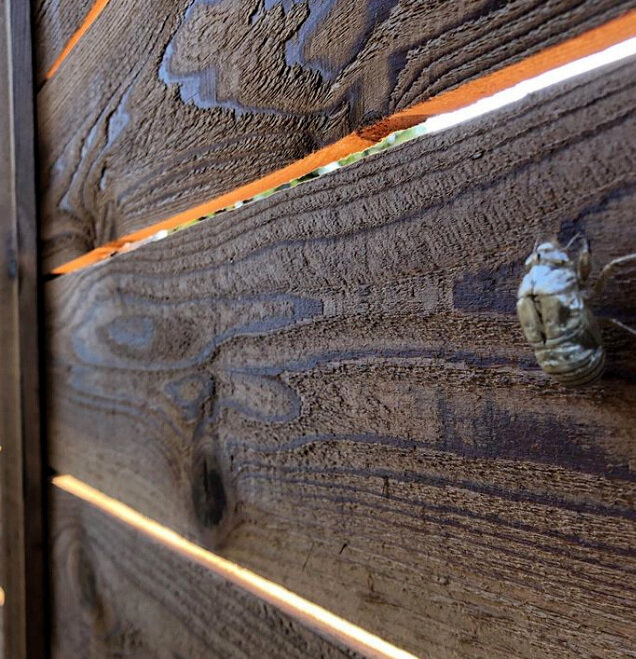
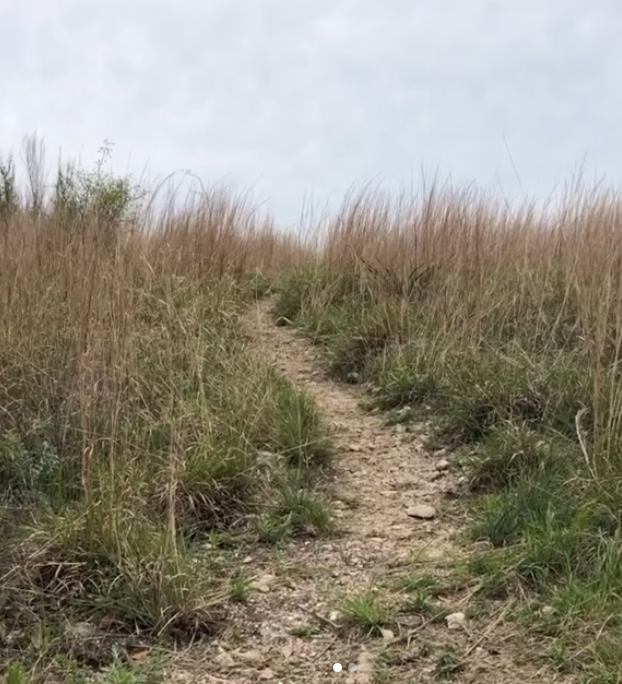
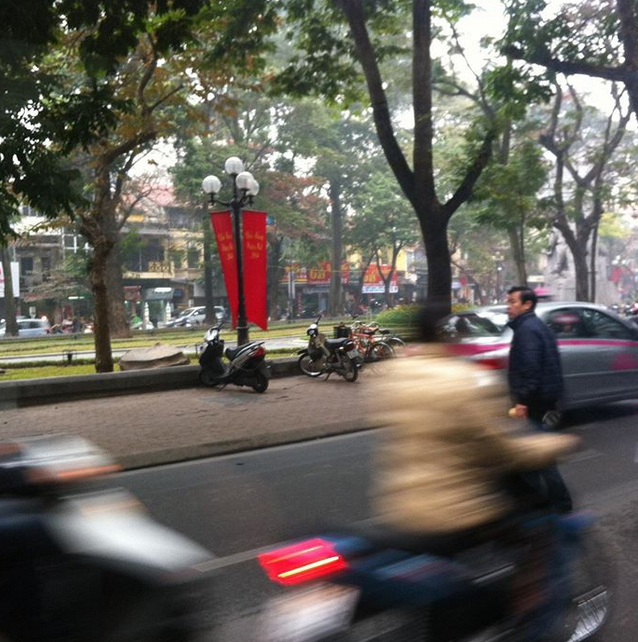
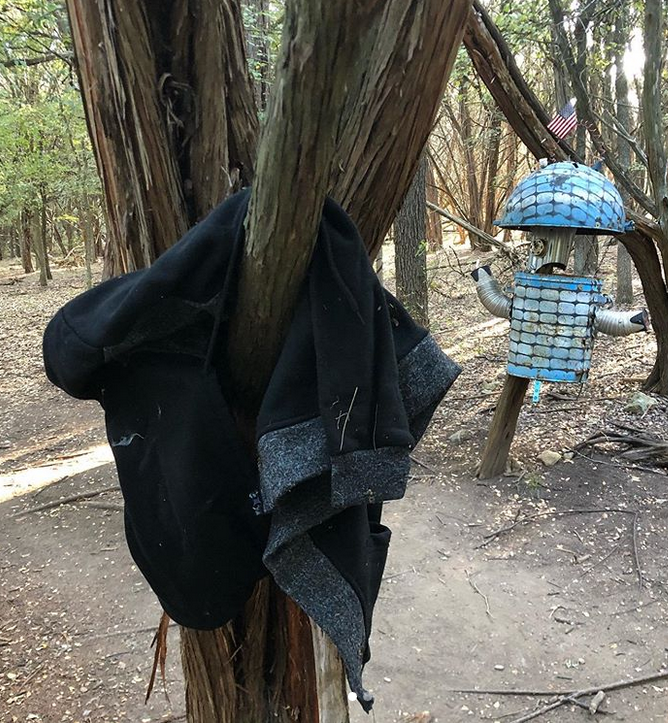
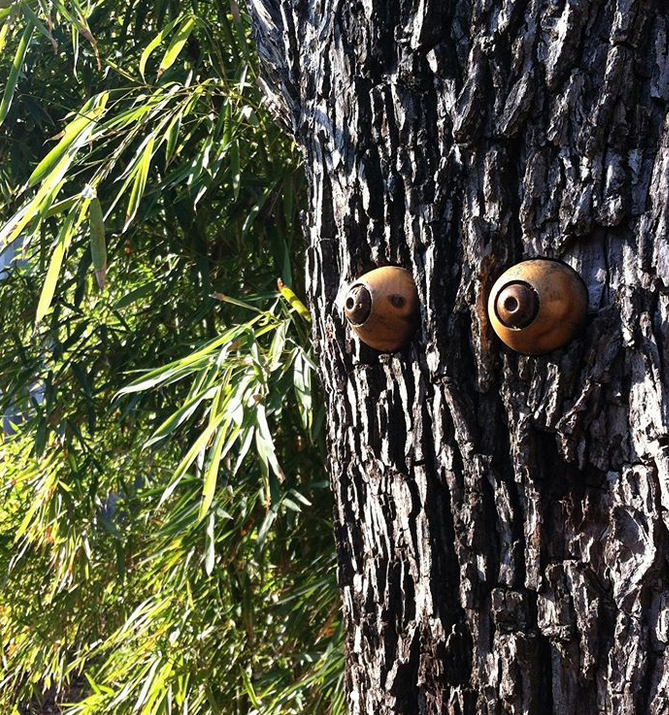
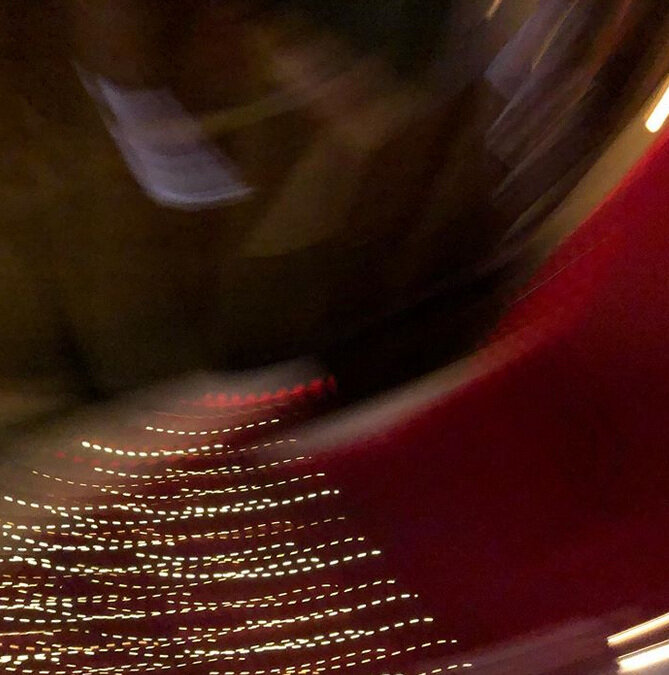
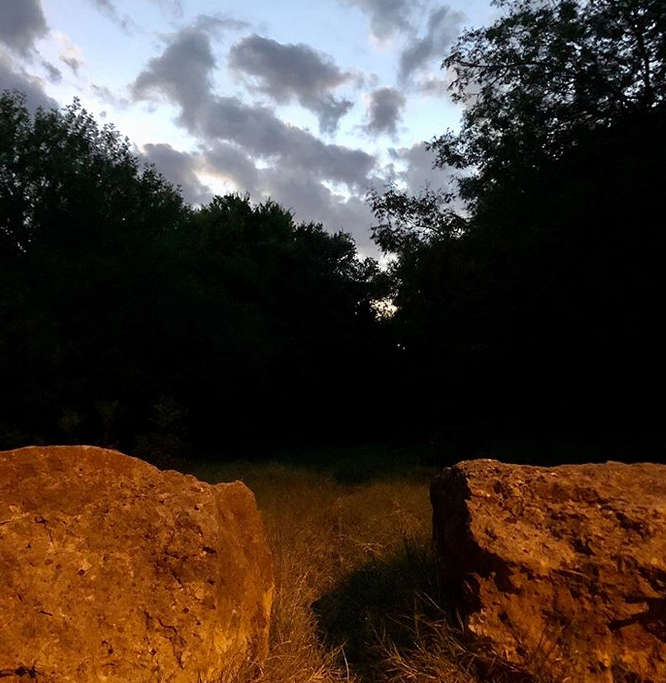
Write this. Take eight minutes to write what you see. Simple as that. Double the time if you like.

Write this. Take eight minutes to write what you see. Simple as that. Double the time if you like.

Images are great story-starters, but sometimes it’s hard to get as excited about a photograph you find for yourself, or one you know really well. When it’s expected or familiar, it loses some of that luster for the writing prompt.

One of the ways you can harness the possibility of potential luster/fun/intrigue/wonder in photographs-for-writing is to simply swap images with friends. Agree on a date/time to email your writing partner with an image for writing.

The surprise factor can make all the difference.

So here’s an image for every day of the coming week.

(Or one image for every couple days, or once a week—whatever you have time for).

For each image, open it up and study it for a couple minutes. Then write what you see and feel in this image.

  • Let this image guide you in the writing for eight minutes. You may come up with a character who isn’t pictured; you may focus on the place itself.

  • If you have more time than eight minutes, great. Double it. Triple it.

  • Schedule an image per day to make the most of your daily writing time (ten minutes, twenty minutes, whatever).

  • Tell me about it on Twitter or Instagram. I’d love to hear how it goes!

BONUS

  • Keep it going! Agree to swap images with a friend once a week to fuel your writing time.

New Old Words

The Beginning Place.jpeg

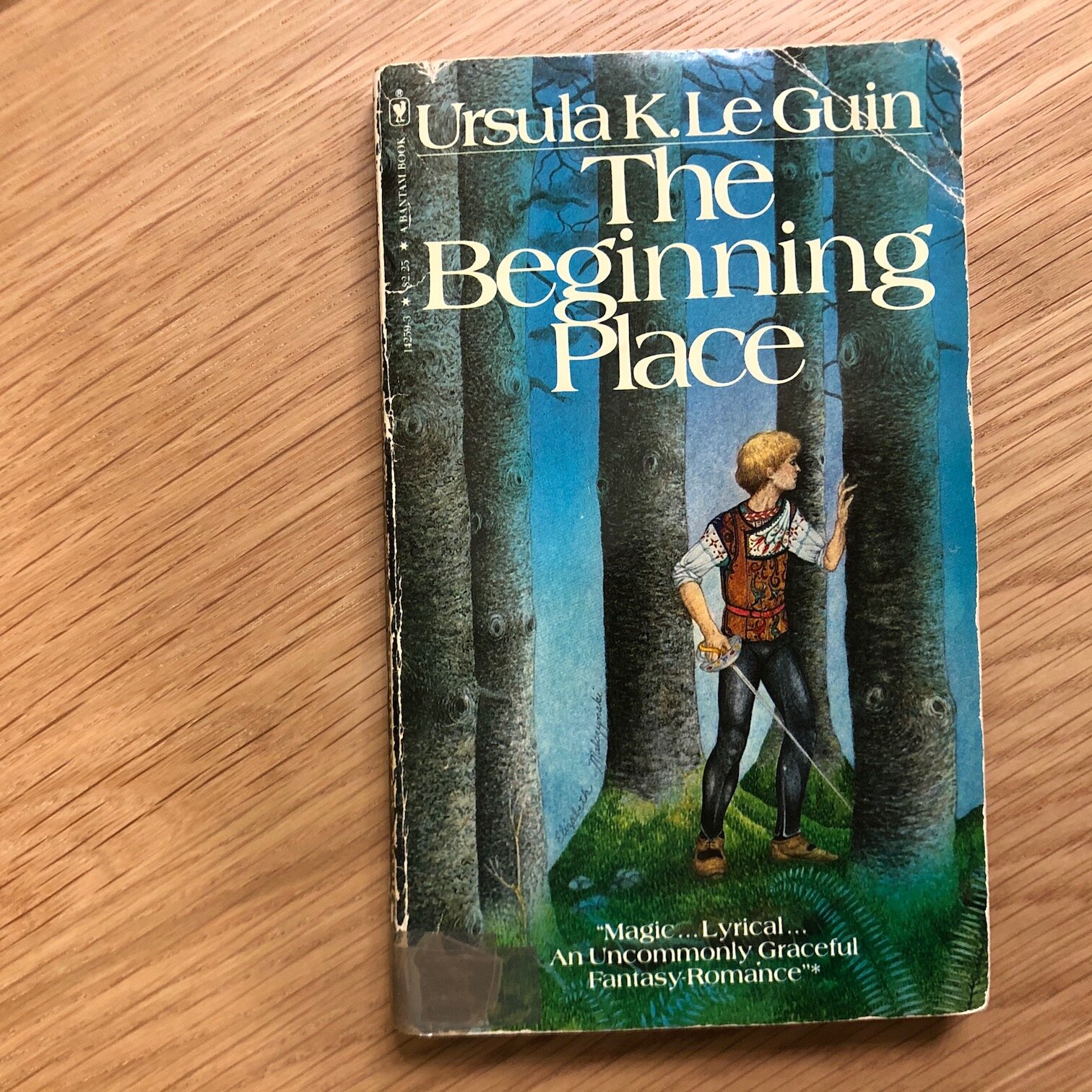
I’d been looking for this book for ages. In our move this spring, it got nestled into a box of breakables and left in the garage until my husband cleared out the last of the packing supplies. The Beginning Place is one of my favorite novels, if not my most favorite novel. Doesn’t the cover look so unapologetically FANTASY it breaks your heart?

A while ago—in 2009—I got to hear Ursula K. Le Guin speak at the 92nd Street Y in conversation with Alan Lightman. They talked about how dreams shift and change depending on your writing process; they talked about blurring the genre lines, and how genres are basically useless outside industry speak. I stood in a long line to get my book signed. UKLG was chatty and kind to everyone, but when she mentioned how “well-loved” my book looked, I just blushed and laughed nervously and muttered something that might have been “thanks,” but I’m not sure. Oh, well. My failure to charm her at a 30-second signing doesn’t impact my love of her work and her incredible writer brain.

I’ve shared the last line of this novel with lots of folks, so bless you, dear hearts, if you’ve heard it before. Here it is again. I love it so.

There is more than one road to the city.

Now that’s a good last line.

I’m thinking for this writing prompt, let’s celebrate our favorite lines in literature, even if we haven’t seen them in a while.

  • Find your favorite book (don’t worry; the others won’t get jealous!). It doesn’t have to be your favorite one for all time, but pick a favorite for now. See the BONUS section post-prompt to use more than one.

  • Read the first line, even if it’s very brief, like dialogue. Even if it’s a single word. Meditate on that line for a moment. Why is it powerful? What does it say about what’s to come? Jot down your ideas for two minutes.

  • Now head to the last line of the book and do the same.

  • Now make a mash-up: Combine the two lines by 1) taking the first half of one and combining it with the latter half of the second, or 2) starting with whatever word you wish and tacking on a phrase from the other line. Do whatever you like! Take only two minutes to do this and then commit to your mash-up.

    • The first line of The Beginning Place is dialogue: “Checker on seven!”

    • So I could come up with…There are seven roads to the city. Or…There is more than one checker…or…One road to the city on seven.

  • Use your mash-up line as the first line in a scene—you can create new characters, or work with characters from your work-in-progress (and even memoir subjects). Write for 6 minutes, letting the first line guide you forward.

  • Now create a new mash-up line and try a new scene—or continue what you’ve been working on so far. Write for 6 minutes, letting this new mash-up line be your jumping off point.

  • Look back at both scenes and choose a leading emotion in either piece (pick the emotion that really rings out, echoes, vibrates).

    • Does the writing feel happy, fearful, or sad? Does the scene speak of nostalgia, or anxiety, or longing?

  • Attribute this emotion to one of your current characters, or a brand new character, and write a scene in which they move from this emotion to its opposite. They could go from fearful to relieved, or from sad to happy, or from nervous to calm.

  • Write for 12-18 minutes, whatever you have time for. Experiment with moving across this emotional spectrum with your character. See what happens!

  • Tell me about it on Twitter or Instagram. I’d love to hear how it goes!

BONUS

  • Take your two most favorite novels and do the same, only using the first line from one novel and the last line from the other. Come up with as many variations as you can, experimenting with the blending of the two author voices!

The Words Go Where They Will

I attended the Texas Land Conservation Conference this past week—attendees included research scientists, ranchers, folks who work for land trusts (like myself), and anyone interested in conservation to combat climate change, protect threatened species, and fight poorly planned development. Many of these people have lived big lives in big places. When you mix long careers with epic landscapes, you get some pretty good stories. You get words and phrases like “wildcatter” and “mountain climbing” and “western chicken turtle.” YEP.

Do we have to live big lives to tell great stories or say big and beautiful things? I don’t think so. Some of the simplest phrases can be the most powerful. One speaker—in narrating a community’s response to an epic flood—said, “The water goes where it will.”

That line itself is pretty wonderful. And it’s not real complicated.

field-of-texas-bluebonnet-998065.jpg

Is there something to the idea that words said aloud are sometimes more powerful? Or more poetic? Can we harness the power of oral storytelling even when we’re writing by ourselves, even when just putting words down on the page?

Maybe we should pay more attention to language that’s out loud, off the cuff, and very much in the moment. Maybe…we can borrow it?

Okay. This first part requires going outside. Or leaving your comfy writing studio, at the very least. Let’s do it.

  1. Take note of the next time you’ll be in public and waiting in-line (voting tomorrow?), or schedule 30 minutes at your local coffee shop. All you need is pen and paper unless you’re planning on working longer.

  2. Listen to the words swirling around you, the bits of conversation that are too good not to write down. Here are some random phrases I’ve heard recently that were pure gold—some beautiful, some ridiculous, all big and loud in their own ways:

    1. Are these breakfast tacos the best thing you’ve ever had?

    2. These days it’s really hard to get a job as a modernist.

    3. He was broken then. Broken.

    4. Are you always going to be this way?

  3. Make a list of ten lines of dialogue. Keep listening and observing until you get ten. You may get more, but aim for ten. Only then can you sip your espresso. KIDDING. Mine would be finished by two.

  4. Now choose three big + moody words (breakfast, modern, broken) to expand upon. Hone in on each one with this activity:

    1. How would you describe the mood of this word? Is it bustling, gray, bored, confused, cloudy, still? Write for three minutes.

    2. What kind of person uses this word? You can go with the person you observed saying it, or create someone new, OR consider a character you already have in-progress. Describe this person—what are their talents, flaws, mannerisms? Write for seven minutes.

    3. Combine this word with two sibling words. Who would this word’s relatives be? Would they be other nouns? Verbs? Brainstorm and jot down ideas for 4.5 minutes.

  5. Choose one line from your list of ten and start a new scene with it. It doesn’t have to be dialogue. Or it could be. It can be whatever you want. It can exist in the novel you’re writing. Use this line as your jumping off point and write for nine minutes.

  6. From the above writing, select your biggest, boldest line—something of your own creation, something you’re proud of—and underline it, circle it, set it aside. Write it down on a slip of paper and pin/tape it to your wall. Somewhere you can see.

  7. Start a brand new scene with this line of your own creation. It might be a scene in the same world, or a conversation that involves other characters entirely. Use this line as your jumping off point and write for fourteen minutes.

BONUS

  1. Schedule a time when you will be waiting in line a very short time—pharmacy (well…maybe), drive-thru, frozen yogurt bonanza, library. Challenge yourself to hear three powerful lines of language and take them with you for your next work session!