
Traveling in Darkness

In this recent episode of The Fool & the Page, I pulled The Moon in response to a listener request from fellow writer and fabric artist Casey Bernard. Thanks, Casey!

The Moon begs the question: How can you move through darkness with grace and ease? How can you stay there?

And in my experience, it’s also asking…How can you lean into your weird?

Sometimes a formless phase can be freeing!

Sometimes a formless phase can be freeing!

In the Pagan Otherworlds illustration highlighted here, we see the wild and the tamed sides of the mind embodied in the dog and the wolf, howling or gazing up at a somewhat disinterested (or loving?) Moon.

The prompts here are inspired by the idea that sometimes our stories feel too big and wild for us, but that’s okay.

  1. When have you (or your character) been in a formless phase, when you didn’t know what would happen? If you could describe this phase as an actual place, what would it look and feel like? Write for eight minutes.

  2. What about your current project gives you pause because it doesn’t make sense right now? Are there many things? Jot down the words or phrases that represent these things, so it could be: main character’s relationship with mother, OR my inability to write anything about such-and-such, OR my reluctance to sit down with my loom these days, I mean, it could be anything. Write for eight minutes, eventually focusing in on one element that is formless or dark or weird and just spend some time with that character or problem, letting them speak to you and letting yourself sink into the unknown of that.

  3. What sources of light do you or your character have in your world that illuminate the path for you? These could be physical things or other characters/people or places. Jot down a list of three potential sources of light and then CHOOSE ONE to sink into and explore, and write for nine minutes, telling the page everything you can about that one, sweet source of light.

  4. Take a deep breath. NICE. Thank yourself for taking the time out to write and reflect!

How did it go? Did you dig it? Subscribe to The Fool & the Page for more guided writing and cosmic conversation.


Pausing Under the Archway

In this recent episode of The Fool & the Page, I pulled Ten of Pentacles in response to the question: What is here for the writing in transition?

So what does a card that’s all about stability—a culmination of great effort, a harvest of sorts—have to say about transformation or transition?

Lots.

Your work now, and how you evolve it, is a culmination of all the energy, effort, and experimentation you’ve put into your writing so far.

Your work now, and how you evolve it, is a culmination of all the energy, effort, and experimentation you’ve put into your writing so far.

In the Aquarian deck illustration highlighted here, we see a family looking out at a castle. I like how they’re pausing on their way, stopping beneath this archway to view this beautiful thing from afar.

The prompts here are inspired by that idea of mindful arrival. Enjoy!

  1. How do you, or your character, best love to celebrate? Is it on your own, heading out on a beautiful hike, is it in a group of people at a loud, raucous gathering? (This is some wild imagining here, not suggesting that you hang out in a group of people anytime soon, but we can imagine it!) This is a great prompt for fictional characters, because you can really let your character speak, and it’s fun for self-reflection, too. Describe your ultimate celebration, down to the smallest details—what are you wearing, what is the air like? Is their music? Quiet? Conversation? Write for eight minutes.

  2. Imagine that you or your character pauses beneath an archway. Focus on the archway first. What is is made of? What is it like to touch it? How does the air feel in this space between things, on the cusp of something? Write for eight minutes. 

  1. Now look beyond the archway, either from your POV or your character’s. What is in the distance? Is it an object? A structure? A landscape? Describe how it looks to view it from this high point. How do you or the character relate to what you see? What makes you nervous? What do you hope for? Write for nine minutes.

How did it go? Did you dig it? Subscribe to The Fool & the Page for more guided writing and cosmic conversation.

Let the Character Pause and Breathe In Deep

Let the character pause and ponder, as you pause and ponder.

Let the character pause and ponder, as you pause and ponder.

In my latest Fool & the Page interview, I had the privilege of speaking with Trista Edwards of Marvel + Moon. We talked about her brand new book of poetry SPECTRAL EVIDENCE, the importance of ritual baths for water signs—and every sign, I guess—the concept of hearth craft, anxiety about beginning and completing projects, creating magic in a chaotic home, new scents that will transport you to a witch’s autumn kitchen, and how to shift your physical space into a creative sanctum by striking a match and lighting a candle.

Trista’s life and work are both so passionately and beautifully about celebrating the things we love—material things we love, natural things we love—and yet we both came round to this idea (through pulling Eight of Swords), that it’s necessary sometimes to shove these things aside. You have to clear yourself a space to create, and make room for your ideas, and find balance. And that is a choice.

It means defining your boundaries, owning your own story, and making your own light.

So here are the prompts we came up with to reflect both Trista’s power with creating magical scents as well as the need to pause and ponder.

  1. FIRST, do a sensory check of your space. Pay attention to your immediate surroundings. What is there to smell, touch, feel, taste, and hear? Pay attention to the smell and the feel of the air around you. Look for objects with texture. Imagine how it might feel to pick them up, and jot down your first thoughts. Write for four minutes.

  2. SECOND, post a wild and wonderful question to your character. This can be someone you’ve just dreamed up, or someone in-progress. What does the moon smell like? Have your character respond in their voice, writing for six minutes.

  3. NOW, give your character the moment to ponder something strange (in addition to the smell of the moon, yes). This moment does not have to move the plot forward. It does not have to include an encounter of any kind. It is simply a time to let your character pause and consider something. To daydream. Write for seven minutes.

  4. Lastly, respond to the question: What is controlling your character and what do they need to let go in order to move forward? As always, this question can be used for self-reflection. You can insert yourself into the space of the character and use this time to consider the things that may be holding you back. Write for eight minutes.

How did it go? Did you dig it? Subscribe to The Fool & the Page for more guided writing and cosmic conversation.

ICYMI: Write This—Images + Prompt

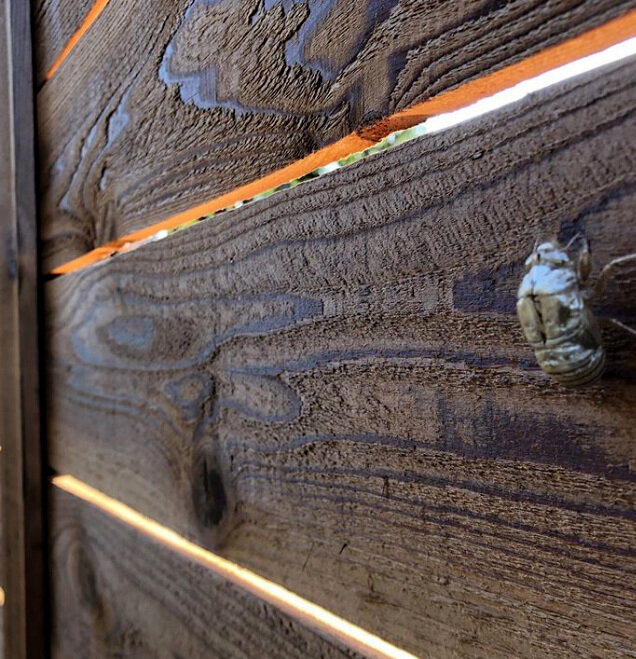
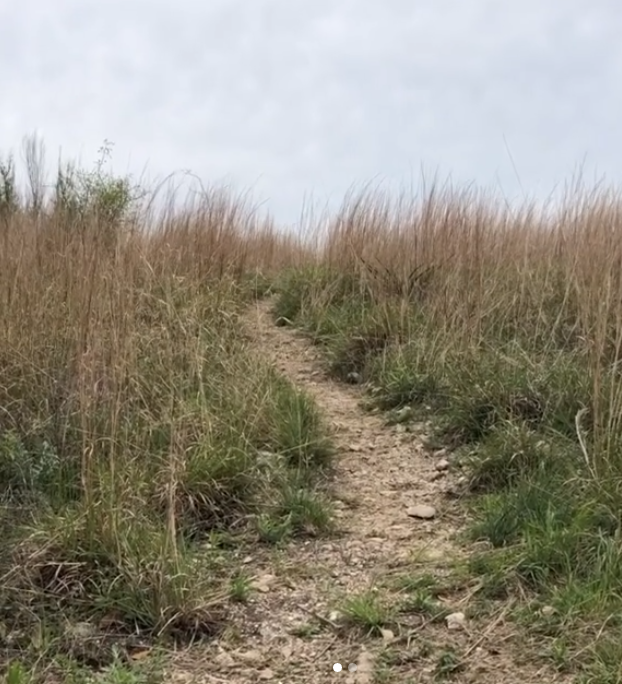
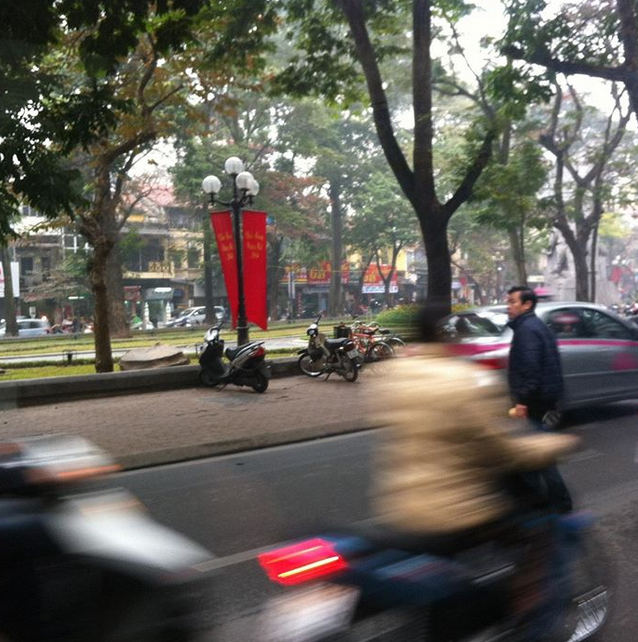
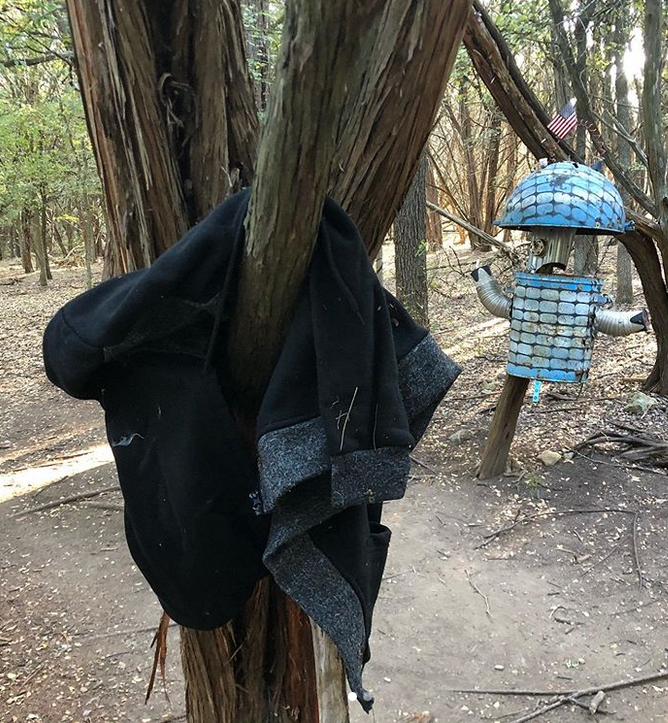
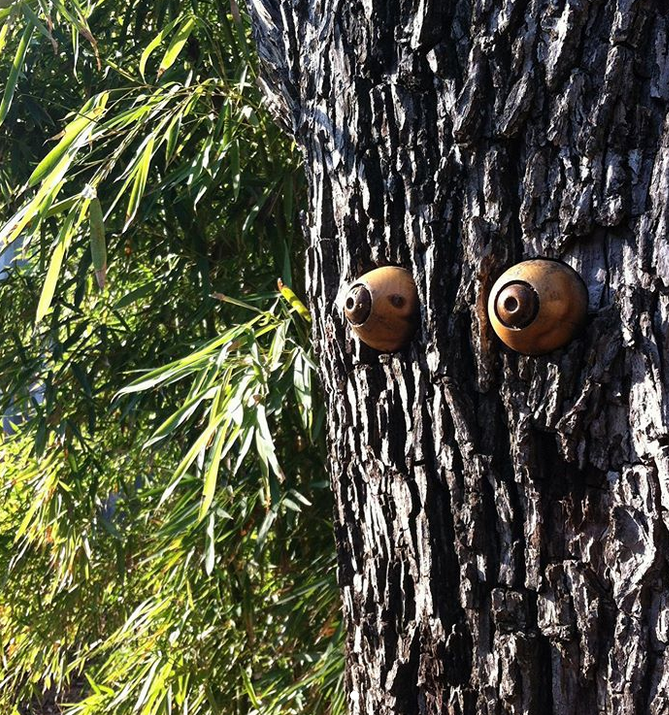
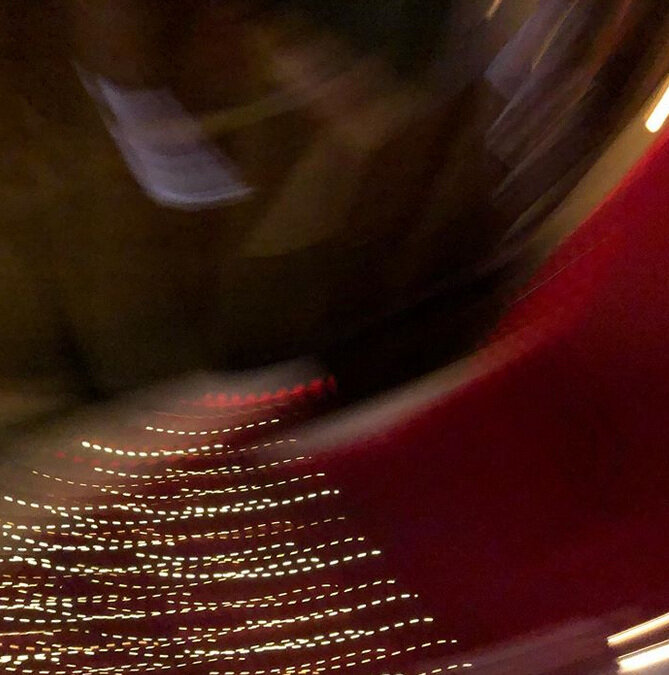
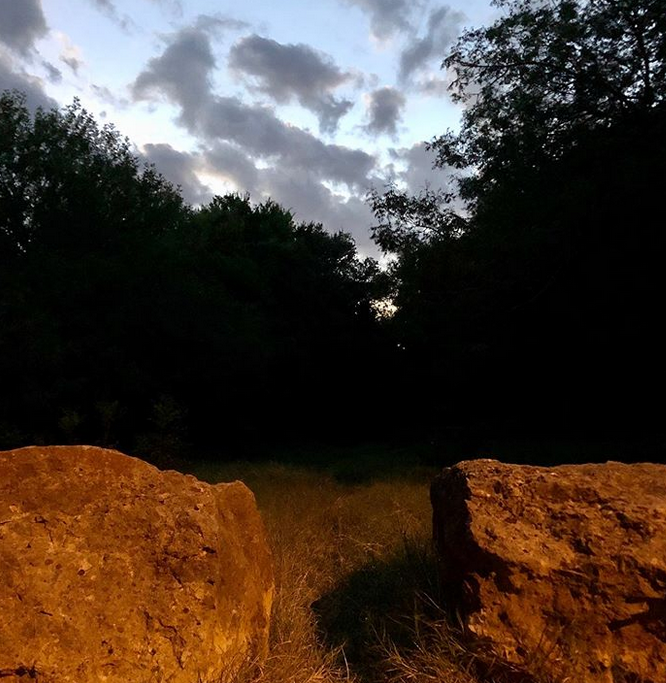
Write this. Take eight minutes to write what you see. Simple as that. Double the time if you like.

Write this. Take eight minutes to write what you see. Simple as that. Double the time if you like.

Images are great story-starters, but sometimes it’s hard to get as excited about a photograph you find for yourself, or one you know really well. When it’s expected or familiar, it loses some of that luster for the writing prompt.

One of the ways you can harness the possibility of potential luster/fun/intrigue/wonder in photographs-for-writing is to simply swap images with friends. Agree on a date/time to email your writing partner with an image for writing.

The surprise factor can make all the difference.

So here’s an image for every day of the coming week.

(Or one image for every couple days, or once a week—whatever you have time for).

For each image, open it up and study it for a couple minutes. Then write what you see and feel in this image.

  • Let this image guide you in the writing for eight minutes. You may come up with a character who isn’t pictured; you may focus on the place itself.

  • If you have more time than eight minutes, great. Double it. Triple it.

  • Schedule an image per day to make the most of your daily writing time (ten minutes, twenty minutes, whatever).

  • Tell me about it on Twitter or Instagram. I’d love to hear how it goes!

BONUS

  • Keep it going! Agree to swap images with a friend once a week to fuel your writing time.

New Old Words

The Beginning Place.jpeg

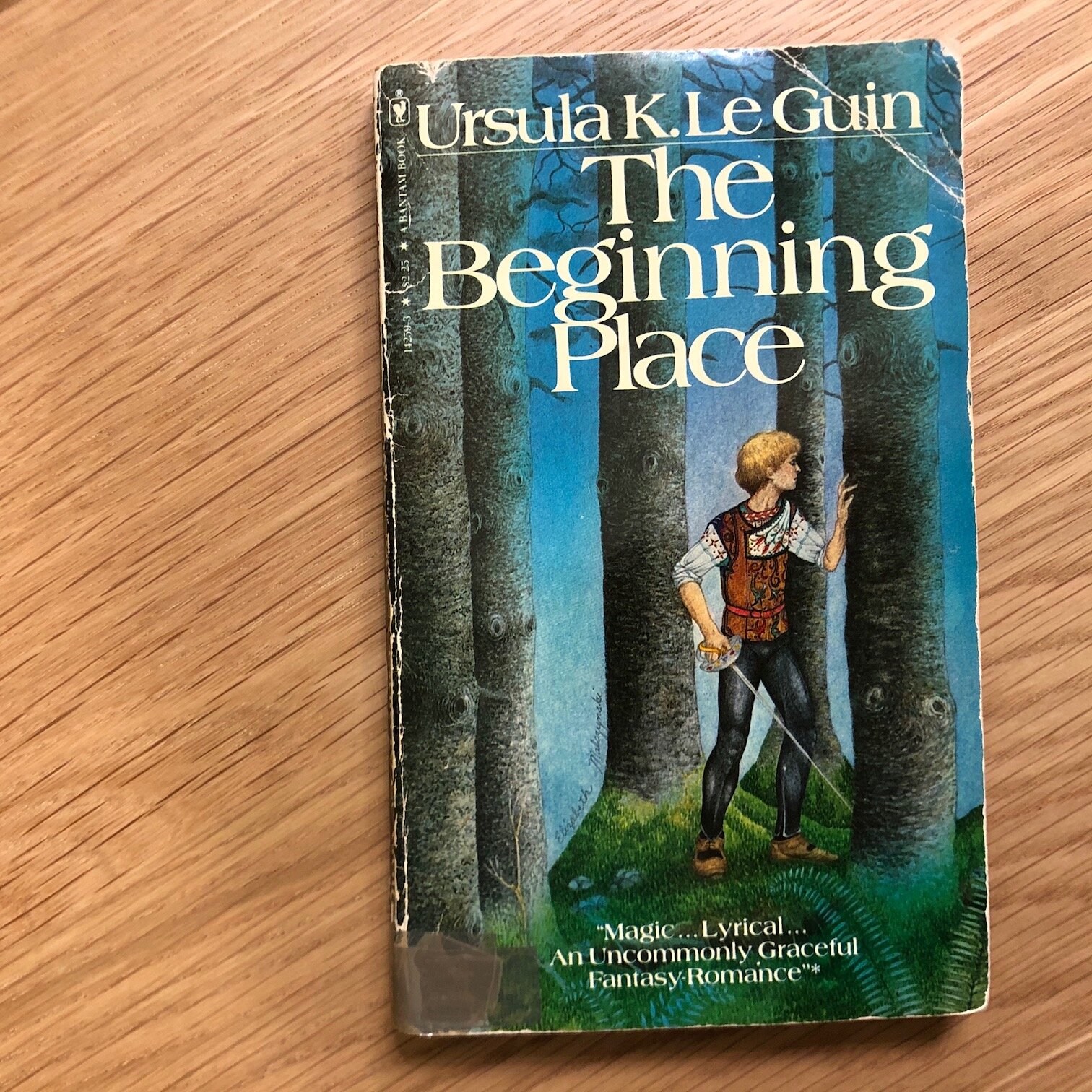
I’d been looking for this book for ages. In our move this spring, it got nestled into a box of breakables and left in the garage until my husband cleared out the last of the packing supplies. The Beginning Place is one of my favorite novels, if not my most favorite novel. Doesn’t the cover look so unapologetically FANTASY it breaks your heart?

A while ago—in 2009—I got to hear Ursula K. Le Guin speak at the 92nd Street Y in conversation with Alan Lightman. They talked about how dreams shift and change depending on your writing process; they talked about blurring the genre lines, and how genres are basically useless outside industry speak. I stood in a long line to get my book signed. UKLG was chatty and kind to everyone, but when she mentioned how “well-loved” my book looked, I just blushed and laughed nervously and muttered something that might have been “thanks,” but I’m not sure. Oh, well. My failure to charm her at a 30-second signing doesn’t impact my love of her work and her incredible writer brain.

I’ve shared the last line of this novel with lots of folks, so bless you, dear hearts, if you’ve heard it before. Here it is again. I love it so.

There is more than one road to the city.

Now that’s a good last line.

I’m thinking for this writing prompt, let’s celebrate our favorite lines in literature, even if we haven’t seen them in a while.

  • Find your favorite book (don’t worry; the others won’t get jealous!). It doesn’t have to be your favorite one for all time, but pick a favorite for now. See the BONUS section post-prompt to use more than one.

  • Read the first line, even if it’s very brief, like dialogue. Even if it’s a single word. Meditate on that line for a moment. Why is it powerful? What does it say about what’s to come? Jot down your ideas for two minutes.

  • Now head to the last line of the book and do the same.

  • Now make a mash-up: Combine the two lines by 1) taking the first half of one and combining it with the latter half of the second, or 2) starting with whatever word you wish and tacking on a phrase from the other line. Do whatever you like! Take only two minutes to do this and then commit to your mash-up.

    • The first line of The Beginning Place is dialogue: “Checker on seven!”

    • So I could come up with…There are seven roads to the city. Or…There is more than one checker…or…One road to the city on seven.

  • Use your mash-up line as the first line in a scene—you can create new characters, or work with characters from your work-in-progress (and even memoir subjects). Write for 6 minutes, letting the first line guide you forward.

  • Now create a new mash-up line and try a new scene—or continue what you’ve been working on so far. Write for 6 minutes, letting this new mash-up line be your jumping off point.

  • Look back at both scenes and choose a leading emotion in either piece (pick the emotion that really rings out, echoes, vibrates).

    • Does the writing feel happy, fearful, or sad? Does the scene speak of nostalgia, or anxiety, or longing?

  • Attribute this emotion to one of your current characters, or a brand new character, and write a scene in which they move from this emotion to its opposite. They could go from fearful to relieved, or from sad to happy, or from nervous to calm.

  • Write for 12-18 minutes, whatever you have time for. Experiment with moving across this emotional spectrum with your character. See what happens!

  • Tell me about it on Twitter or Instagram. I’d love to hear how it goes!

BONUS

  • Take your two most favorite novels and do the same, only using the first line from one novel and the last line from the other. Come up with as many variations as you can, experimenting with the blending of the two author voices!

The Words Go Where They Will

I attended the Texas Land Conservation Conference this past week—attendees included research scientists, ranchers, folks who work for land trusts (like myself), and anyone interested in conservation to combat climate change, protect threatened species, and fight poorly planned development. Many of these people have lived big lives in big places. When you mix long careers with epic landscapes, you get some pretty good stories. You get words and phrases like “wildcatter” and “mountain climbing” and “western chicken turtle.” YEP.

Do we have to live big lives to tell great stories or say big and beautiful things? I don’t think so. Some of the simplest phrases can be the most powerful. One speaker—in narrating a community’s response to an epic flood—said, “The water goes where it will.”

That line itself is pretty wonderful. And it’s not real complicated.

field-of-texas-bluebonnet-998065.jpg

Is there something to the idea that words said aloud are sometimes more powerful? Or more poetic? Can we harness the power of oral storytelling even when we’re writing by ourselves, even when just putting words down on the page?

Maybe we should pay more attention to language that’s out loud, off the cuff, and very much in the moment. Maybe…we can borrow it?

Okay. This first part requires going outside. Or leaving your comfy writing studio, at the very least. Let’s do it.

  1. Take note of the next time you’ll be in public and waiting in-line (voting tomorrow?), or schedule 30 minutes at your local coffee shop. All you need is pen and paper unless you’re planning on working longer.

  2. Listen to the words swirling around you, the bits of conversation that are too good not to write down. Here are some random phrases I’ve heard recently that were pure gold—some beautiful, some ridiculous, all big and loud in their own ways:

    1. Are these breakfast tacos the best thing you’ve ever had?

    2. These days it’s really hard to get a job as a modernist.

    3. He was broken then. Broken.

    4. Are you always going to be this way?

  3. Make a list of ten lines of dialogue. Keep listening and observing until you get ten. You may get more, but aim for ten. Only then can you sip your espresso. KIDDING. Mine would be finished by two.

  4. Now choose three big + moody words (breakfast, modern, broken) to expand upon. Hone in on each one with this activity:

    1. How would you describe the mood of this word? Is it bustling, gray, bored, confused, cloudy, still? Write for three minutes.

    2. What kind of person uses this word? You can go with the person you observed saying it, or create someone new, OR consider a character you already have in-progress. Describe this person—what are their talents, flaws, mannerisms? Write for seven minutes.

    3. Combine this word with two sibling words. Who would this word’s relatives be? Would they be other nouns? Verbs? Brainstorm and jot down ideas for 4.5 minutes.

  5. Choose one line from your list of ten and start a new scene with it. It doesn’t have to be dialogue. Or it could be. It can be whatever you want. It can exist in the novel you’re writing. Use this line as your jumping off point and write for nine minutes.

  6. From the above writing, select your biggest, boldest line—something of your own creation, something you’re proud of—and underline it, circle it, set it aside. Write it down on a slip of paper and pin/tape it to your wall. Somewhere you can see.

  7. Start a brand new scene with this line of your own creation. It might be a scene in the same world, or a conversation that involves other characters entirely. Use this line as your jumping off point and write for fourteen minutes.

BONUS

  1. Schedule a time when you will be waiting in line a very short time—pharmacy (well…maybe), drive-thru, frozen yogurt bonanza, library. Challenge yourself to hear three powerful lines of language and take them with you for your next work session!

Rethink the Work: A Prompt to Encourage Evolution

When our original and cherished venue was no longer available, my Wild Moon co-founder and I definitely did some hemming and hawing—perhaps some real loud sighing—but we regrouped, sipped some coffee, and pulled a few cards. We were reminded by The Fool and The Star that…

  1. Sometimes you gotta move in a new direction.

  2. As much as we think we know, we’re often obliged to start anew, but the unknown can inspire something bigger and bolder.

  3. WE GOTTA HAVE FAITH. Sometimes changing direction can actually point us back to the center of things that inspired us in the first place, the real heart of the story.

Being open to the possibilities can help us both create and revise, but sometimes we need a nudge.

I will refer to the thing we’re working with here as your character, but you could easily attribute these prompts to a creature, a ghost, a monster. Some persona that takes up space in your work. Spend a minute or two considering a character you’d like to work on, and try and stick with that choice.

If you don’t have a character already that you’re looking to revise, I’ll give you the opportunity to create one momentarily.

Potential character? Thanks, vintage furniture store!

Potential character? Thanks, vintage furniture store!

Ready to write? Let’s go.

  1. If you’ve already got a character in mind, skip to Step 2. If not, write about this person in the lovely green and blue portrait. Who are they? What matters to them? What do they wear? How do they move/talk/dance/dream? Write for 7.5 minutes.

  2. Wherever you’ve said your character is from, let’s uproot them. They’re forced to pull up stakes. Send them somewhere new right now. If your story is about a move or a journey already, let’s really push your character off the path. Let the winds shift. How do they part with their home? Or their vessel? How do they leave a place? Where are they headed? Write for 7.5 minutes.

  3. Your character then loses something, a treasure that matters to them, something they may cling to. How do they react? How does this change them? Write for 6 minutes.

  4. Now we’ve put them through the ringer, so let’s give them something. Your character receives a message/gift that makes them see their situation with new eyes. What is it that they receive, and how does it change their perception? Write for 9 minutes.

  5. Imagine your character standing at a crossroads, considering a major decision. Close your eyes and take 1-2 minutes to picture this moment.

  6. Now consider what you think they would choose, based on what you know about them, and write THE OPPOSITE. Write about this strange/unexpected choice and what transpires for 14 minutes.

  7. BONUS: If you’re feeling brave/have the time, write a scene in which your character sees something on a walk that reminds them of home—could be a face in the crowd, an object in a shop window. Describe them encountering this reminder and how they react emotionally. What do they do? Write for 12 minutes.

  8. Thank yourself for taking the time to write! Did you create any words/phrases you love? Revise something that was holding you back? Or start a new project you want to keep going? Share your ideas with me on Twitter.

Big Dreams + Wild Imaginings

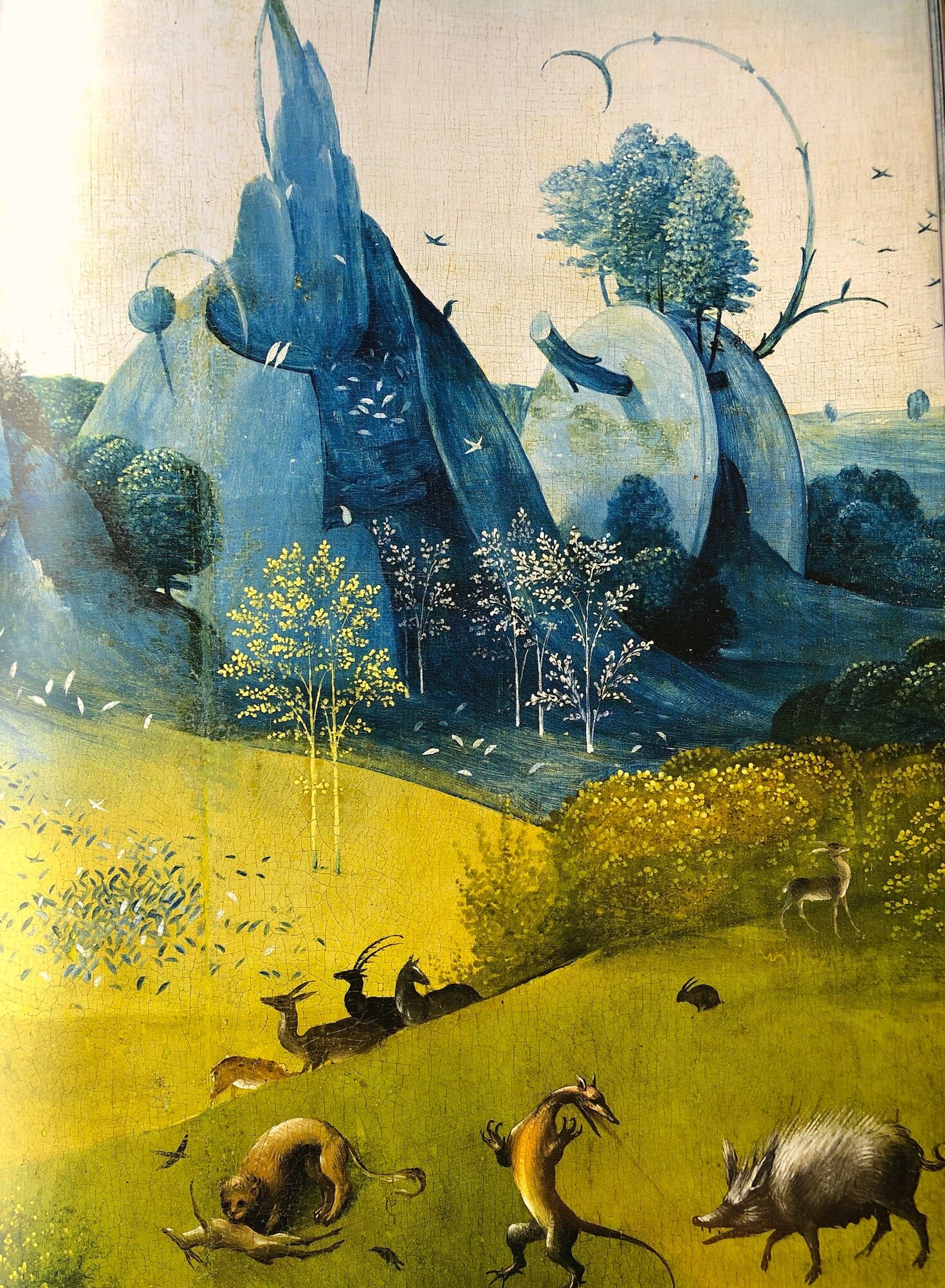
I was gifted a book of Hieronymous Bosch paintings for Christmas. Squeeeeee! Bosch’s work is truly wild.* His 15th century epic illustrations were so jam-packed with weird/grotesque extras that they crowd out and overwhelm the main characters. He turned dreams inside out, and while much of his stuff was totally disturbing, it was commissioned by royalty and rich folk for wedding gifts and palace walls. He was an insider making what looks like outsider art.

*I am not a Bosch scholar. I am a fan who owns exactly one book.

For 2020 writing, I say we go nuts with crazy dreams and wild imaginings because WHY NOT?

This writing prompt requires a little prep. I want you to find a real-world image that you think is dreamy—a landscape that you think is almost too wild to exist on the planet, and yet it does. A few examples: Uluru for obvious reasons, any random forest in Scotland, a little ol’ National Park you Texans may know and love.

Take a moment to find your own image and have it handy.

Ready to write? Let’s go.

  1. Let’s start with Bosch, and the detail to the right (or below in mobile) from this insane triptych The Garden of Earthly Delights. What is happening here? How does this place feel? Jot down everything you see. Write the sights, sounds, textures, smells, and tastes (yep). Write for 4 minutes.

  2. Pick one figure/character whose story you’d like to tell. It can be a piece of the landscape (rock, mountain, tree) or a creature (deer, rabbit, etc.). If you have a work-in-progress you’d like to focus on, you can even imagine a character of your own in this landscape. Tell us their story, and what this place means to them. Write for 9 minutes.

  3. Pause to wrap up your writing before moving on. Ready? Okay.

  4. Examine your real world image—the forest, the valley, the building, whatever you chose. Look at it for a few minutes, and then shut your eyes and imagine yourself actually there. Imagine yourself inhabiting this place, or one of your characters if you’d like to focus on your WIP. Feel all the feels. Sit with your eyes closed, meditating on the image, for 1-3 minutes.

  5. Open your eyes. Write down every sensory detail you experienced while imagining this place. Who were you? Or who was your character? What were they doing? Who/what did they encounter? Write for 14 minutes.

  6. BONUS: If you’re feeling brave/have the time, create a new place by stealing an element from Bosch (could be that yellow tree, or the curve of that stone) and add it to your real place. Now describe that corner of the dreamlike (but very real) world, and why it’s special/different. Write for 9 minutes.

  7. Thank yourself for taking the time to write! Did you create any words/phrases you love? Or start a new project you want to keep going? Share your ideas with me on Twitter.

Detail from The Garden of Earthly Delights painted sometime between 1490 and 1510.

Detail from The Garden of Earthly Delights painted sometime between 1490 and 1510.

Big Bend at sunset: one of many real-world landscapes that feel plucked from a dream.

Big Bend at sunset: one of many real-world landscapes that feel plucked from a dream.